¿Cuáles son las principales ventajas de utilizar sistemas de energía fuera de la red para operaciones industriales remotas?
Apr 15, 2026
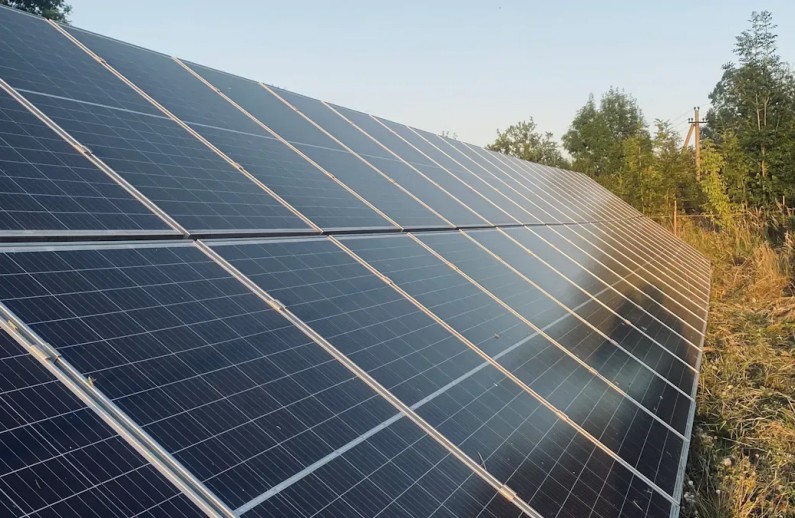
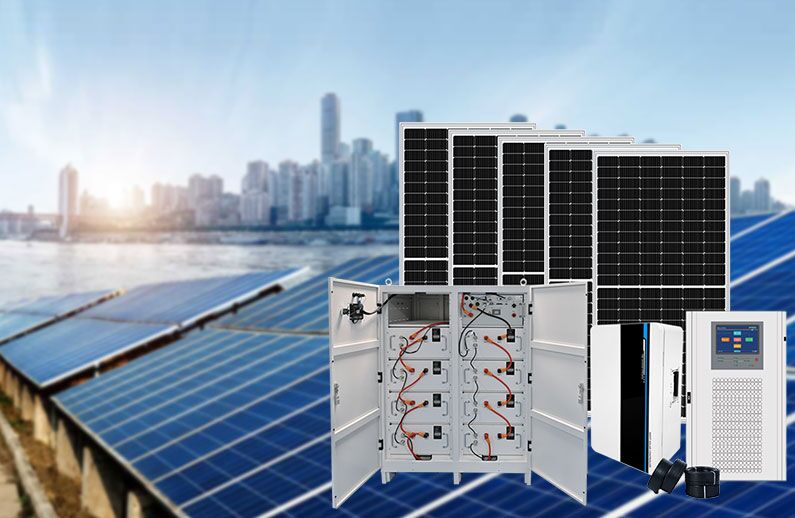
Las soluciones autónomas potencian las instalaciones industriales remotas al proporcionar independencia energética y reducir la dependencia de los combustibles tradicionales. Muchas empresas optan por un sistema de energía solar para lograr operaciones consistentes y menores costos. El abandono de la red eléctrica y la energía diésel surge de la necesidad de energía confiable y el deseo de reducir los gastos de combustible y mantenimiento. Los sistemas solares autónomos también contribuyen a un medio ambiente más limpio al minimizar las emisiones de carbono y el ruido.La fiabilidad sigue siendo crucial para las operaciones en zonas remotas. La siguiente tabla compara los generadores diésel y los sistemas solares aislados con almacenamiento: FactorGenerador diéselSistemas solares aislados de la red + almacenamientoFiabilidadDepende del suministro de combustible y del mantenimiento.Alto (con el tamaño y almacenamiento adecuados) Conclusiones claveLos sistemas solares aislados de la red eléctrica proporcionan energía fiable a las instalaciones industriales remotas, garantizando que las operaciones se desarrollen sin problemas ni interrupciones.El cambio a la energía solar fuera de la red puede reducir los costos de energía hasta en un 70%, lo que ayuda a las empresas a ahorrar dinero en combustible y mantenimiento.Estos sistemas reducen las emisiones de carbono y la contaminación acústica, lo que los convierte en una opción ecológica para las industrias que buscan la sostenibilidad.Los diseños modulares permiten a las empresas ampliar fácilmente sus sistemas solares a medida que aumentan sus necesidades energéticas, garantizando flexibilidad y eficiencia.Invertir en energía solar fuera de la red puede generar importantes ahorros a largo plazo y una sólida rentabilidad de la inversión, a menudo en un plazo de 5 a 8 años. Independencia energética con energía solar fuera de la redSuministro eléctrico fiable para instalaciones industriales remotas.Las soluciones solares aisladas permiten a las instalaciones industriales remotas operar sin interrupciones. Estos sistemas generan electricidad mediante paneles solares y almacenan el excedente de energía en un banco de baterías. Esta configuración garantiza un suministro eléctrico fiable incluso de noche o cuando la luz solar es escasa. Por ejemplo, una mina ubicada a más de 200 kilómetros de la red eléctrica más cercana instaló un sistema de energía solar con 5 MW de paneles solares y 20 MWh de almacenamiento de iones de litio. Este proyecto redujo el consumo de combustible en un 65 % y prácticamente eliminó el tiempo de inactividad. La empresa obtuvo un retorno de la inversión positivo en cinco años. Estos resultados demuestran que los sistemas solares aislados pueden ofrecer tanto estabilidad operativa como beneficios económicos.Los paneles solares en sistemas de energía aislados resisten condiciones climáticas adversas. Los paneles certificados resisten el granizo y los vientos fuertes. Los soportes de montaje resistentes a huracanes y los diseños robustos protegen las instalaciones en entornos extremos. El banco de baterías almacena energía para su uso durante tormentas o días nublados. Los sistemas bien construidos mantienen los equipos en funcionamiento incluso cuando falla la red eléctrica. Los sistemas avanzados de almacenamiento de baterías gestionan la oferta y la demanda de energía, asegurando que los sitios remotos tengan suministro eléctrico continuo.Los sistemas inteligentes de gestión energética predicen las necesidades de energía y controlan los ciclos de carga de las baterías. Esta tecnología ayuda a mantener un funcionamiento constante y reduce el riesgo de interrupciones inesperadas. Minimizar la dependencia de la redLas soluciones solares autónomas permiten a las empresas evitar los riesgos y costes asociados a la dependencia de la red eléctrica. Las instalaciones remotas suelen enfrentarse a problemas como conexiones inestables o escasez de combustible. Los sistemas autónomos funcionan de forma independiente, por lo que no dependen de fuentes de energía externas. Los paneles solares convierten la luz solar en electricidad, mientras que el banco de baterías almacena energía para su uso posterior. Este enfoque garantiza que las instalaciones industriales remotas puedan mantener sus operaciones incluso durante cortes de suministro eléctrico o interrupciones en la cadena de suministro.La transición a sistemas solares aislados de la red también ayuda a las empresas a reducir sus costos operativos. Al disminuir la necesidad de combustible diésel, las instalaciones pueden reducir sus gastos energéticos hasta en un 70 %. Además, los sistemas aislados de la red contribuyen al cumplimiento de la normativa ambiental al reducir las emisiones de carbono y la contaminación acústica. Estas ventajas hacen que las soluciones solares aisladas de la red sean asequibles y sostenibles a largo plazo.La monitorización remota y las herramientas digitales avanzadas mejoran aún más el valor de los sistemas aislados de la red eléctrica. Estas tecnologías permiten el mantenimiento predictivo y reducen la necesidad de personal in situ. Como resultado, las empresas pueden optimizar el uso de los recursos y abordar con mayor eficacia las carencias de personal cualificado a nivel local. Ahorro de costes gracias a las soluciones solares fuera de la redReducción de los costos operativos y de combustibleLas instalaciones industriales remotas suelen afrontar elevados costes energéticos debido al transporte de combustible y al mantenimiento de los generadores. Las soluciones solares aisladas ayudan a estas instalaciones a lograr una reducción significativa de los costes energéticos mediante el uso de paneles solares y un banco de baterías para generar y almacenar electricidad in situ. Este enfoque elimina la necesidad de entregas constantes de combustible y reduce el riesgo de fluctuaciones de precios. Por ejemplo, una mina en una remota región desértica logró una reducción del 65 % en los costes de combustible tras instalar un sistema de energía solar. Muchas instalaciones reportan ahorros potenciales de hasta el 70 % al sustituir los generadores diésel por paneles solares y bancos de baterías.La siguiente tabla destaca la diferencia en los costos de instalación y mantenimiento entre los generadores diésel y los sistemas solares fotovoltaicos: Fuente de energíaCoste de instalación (por kWh)Coste de mantenimiento (por kWh)Coste total de la energía (por kWh)Generadores diéselAlto coste inicialAlto y volátilHasta $0.672Sistemas fotovoltaicos solaresProyecto de gran envergaduraCostes operativos mínimos$0.10 a $0.33 Los paneles solares proporcionan energía gratuita una vez instalados, y el banco de baterías garantiza el suministro eléctrico incluso con poca luz solar. Los costes de mantenimiento de los sistemas solares aislados de la red eléctrica son bajos, lo que convierte a esta solución en una opción asequible a largo plazo. La rentabilidad de la energía solar se hace evidente al comparar los gastos operativos a largo plazo. Ahorros a largo plazo y retorno de la inversiónLas soluciones solares aisladas ofrecen una sólida rentabilidad para instalaciones industriales remotas. Estos sistemas pueden eliminar las facturas mensuales de electricidad y proteger a las empresas de las fluctuaciones en los precios de la energía. La disminución del costo de los paneles solares y los diseños modulares de los sistemas permiten a las empresas expandirse según sus necesidades, pagando solo por lo que consumen.Muchos emplazamientos remotos recuperan su inversión en un plazo de 5 a 8 años, dependiendo del tamaño y la ubicación del proyecto. En un periodo de 30 años, el retorno de la inversión puede oscilar entre el 150 % y el 500 %. El banco de baterías proporciona energía de respaldo durante fallas en la red eléctrica o desastres naturales, garantizando la continuidad de las operaciones. El ahorro total a lo largo de la vida útil del sistema puede alcanzar hasta $44,000 para algunas instalaciones. Las soluciones solares fuera de la red ofrecen energía confiable, asequible y escalable, lo que las convierte en una opción inteligente para lograr una buena relación costo-beneficio a largo plazo. Impacto ambiental de un sistema solar aislado de la red eléctricaReduciendo la huella de carbonoLos sistemas solares aislados ayudan a las operaciones industriales remotas a reducir su impacto ambiental. Estas instalaciones suelen depender de generadores diésel, que producen altos niveles de emisiones de carbono. Al cambiar a paneles solares y almacenamiento de baterías, las empresas pueden reducir el consumo de combustible y la contaminación.Una instalación minera que instaló 5 MW de paneles solares y 20 MWh de almacenamiento de iones de litio experimentó una reducción del 65 % en el consumo de combustible.Las soluciones solares fuera de la red pueden reducir los costos operativos de combustible hasta en un 70%, lo que conlleva importantes reducciones en las emisiones de carbono.En los Emiratos Árabes Unidos, la generación de energía solar cuesta hasta un 75 % menos que la del diésel, lo que fomenta la adopción de fuentes de energía más limpias.La energía solar proporciona una fuente de energía renovable que no emite gases de efecto invernadero durante su funcionamiento. Esto convierte a los sistemas solares aislados de la red eléctrica en una opción ecológica para las industrias en ubicaciones remotas. Menores emisiones también significan menos contaminación del aire, lo que beneficia tanto a los trabajadores como a las comunidades locales.Las empresas que invierten en sistemas solares aislados de la red eléctrica demuestran liderazgo en responsabilidad ambiental y dan un ejemplo positivo para el sector. Apoyando los objetivos de sostenibilidadMuchos emplazamientos industriales remotos buscan cumplir con estrictos objetivos de sostenibilidad. Los sistemas solares autónomos ayudan a estos emplazamientos a lograr avances tangibles hacia dichos objetivos. MétricoValorReducciones anuales de CO250.000 toneladas métricas/sitioeliminación del combustible diéselMillones de galonesDisminución de la contaminación atmosféricaReducción significativaDisminución de la contaminación acústicaReducción significativa Los sistemas autónomos proporcionan independencia energética y permiten que las comunidades remotas operen sin depender de redes centrales. Esto reduce la dependencia de costosas importaciones de combustible y apoya estrategias energéticas sostenibles a largo plazo. El uso de inversores solares permite que incluso las zonas aisladas tengan acceso a energía confiable, lo que se alinea con los esfuerzos globales para garantizar energía moderna y asequible para todos.Al adoptar la energía solar fuera de la red, las empresas pueden cumplir con las regulaciones ambientales, mejorar su imagen pública y contribuir a un planeta más limpio. Escalabilidad y flexibilidad para instalaciones industriales remotasExpansión modular de sistemas de energía solarLas instalaciones industriales remotas suelen requerir soluciones energéticas que puedan crecer al ritmo de sus operaciones. Un sistema de energía solar con diseño modular permite a las empresas aumentar la capacidad según sus necesidades. Este enfoque elimina la necesidad de adaptaciones complejas o grandes cambios en la infraestructura. Las empresas pueden comenzar con una instalación pequeña y ampliar el sistema añadiendo más paneles solares y baterías con el tiempo. Esta flexibilidad garantiza que el suministro de energía se ajuste a la demanda sin incurrir en gastos excesivos por capacidad no utilizada.La infraestructura escalable permite un despliegue rápido en zonas remotas.Los paneles solares generan electricidad en el punto de consumo, lo que mejora la fiabilidad.El banco de baterías almacena el exceso de energía, lo que permite disponer de electricidad durante los períodos de poca luz solar.Las soluciones solares aisladas de la red funcionan independientemente de las redes eléctricas tradicionales. Esta característica las hace ideales para lugares con acceso limitado o poco fiable a la red. La expansión modular también reduce el tiempo de inactividad durante las actualizaciones, lo que contribuye a mantener la continuidad operativa.Los sistemas modulares de energía solar híbrida pueden integrar diferentes fuentes de energía, proporcionando soluciones a medida para los requisitos específicos de cada proyecto. Adaptación a las necesidades energéticas cambiantesLas instalaciones industriales remotas suelen enfrentarse a cambios en la demanda energética debido al crecimiento de los proyectos o a la incorporación de nuevos equipos. Los sistemas solares aislados de la red eléctrica solucionan estos problemas al permitir actualizaciones y ajustes sencillos. Las empresas pueden planificar sus necesidades energéticas futuras y ampliar sus sistemas según sea necesario.Varios factores respaldan esta adaptabilidad:Los avances en la tecnología de bancos de baterías mejoran la fiabilidad y la capacidad de almacenamiento.Las innovaciones en paneles solares aumentan la producción de energía y reducen el espacio necesario.Los sistemas inteligentes de gestión energética permiten la monitorización y optimización del consumo de energía en tiempo real.El apoyo de la comunidad y una planificación cuidadosa garantizan el éxito de las instalaciones autónomas.Los desafíos logísticos, como el transporte y el mantenimiento de los equipos, pueden afectar a las instalaciones remotas. Sin embargo, la asequibilidad de los sistemas modulares ayuda a reducir estas barreras. Las soluciones solares autónomas proporcionan una fuente de energía fiable y flexible que se adapta a las necesidades de las operaciones industriales en zonas remotas. Aplicaciones prácticas de la energía solar fuera de la red en la industria.Minería y extracción de recursosLas explotaciones mineras y las plantas de extracción de recursos suelen operar en regiones aisladas. Estas ubicaciones requieren una fuente de energía fiable para mantener una producción continua. Las soluciones solares fuera de la red han transformado la gestión energética de estas industrias. Los paneles solares de alta capacidad, combinados con sistemas avanzados de baterías, proporcionan energía constante, incluso en periodos de baja radiación solar. El equilibrio de carga automatizado y los algoritmos predictivos basados en IA optimizan la captación y distribución de energía, lo que aumenta la fiabilidad operativa.La mina Borden es un claro ejemplo. Tras la instalación de un sistema de energía solar, la mina redujo su factura eléctrica en un 35 % durante el primer año. Al cuarto año, la instalación solar ya se había amortizado. Muchas explotaciones mineras reportan reducciones en los costos de energía de entre el 20 % y el 40 % durante el primer año. Estos resultados demuestran que la instalación de sistemas solares aislados de la red eléctrica puede mejorar tanto el rendimiento financiero como la estabilidad del suministro eléctrico. Tipo de evidenciaDescripciónReducción de costosLas explotaciones mineras con instalaciones solares han experimentado una reducción de los costes energéticos de entre un 20 % y un 40 % durante el primer año.Estudio de casoLa mina Borden redujo sus facturas de electricidad en un 35% durante el primer año tras pasarse a la energía solar.FiabilidadLos sistemas solares modernos, combinados con sistemas de almacenamiento de baterías, garantizan un suministro eléctrico continuo, equiparable al de las fuentes tradicionales. Yacimientos de petróleo, gas y construcciónLas explotaciones petrolíferas, las salas de gas y las obras de construcción situadas en zonas remotas se enfrentan a desafíos energéticos únicos. Sistemas de alimentación remota para aplicaciones industriales Se satisfacen estas necesidades proporcionando electricidad estable sin depender de combustibles fósiles. Paneles solares y un banco de baterías suministran energía para equipos, iluminación y sistemas de seguridad. Estas instalaciones generan empleos para trabajadores locales y ofrecen energía rentable a las comunidades cercanas.Las soluciones solares fuera de la red reducen los costos operativos y el impacto ambiental.Incrementan la independencia energética y abren nuevas oportunidades económicas.Los sistemas de energía renovable emiten pocos o ningún gas de efecto invernadero, lo que contribuye a alcanzar los objetivos climáticos.Un suministro energético fiable mejora la productividad y la seguridad en las instalaciones.La transición a sistemas solares aislados de la red ayuda a las empresas a reducir gastos y cumplir con las normas medioambientales. Estas ventajas convierten a la energía solar en una opción práctica para instalaciones industriales remotas. Telecomunicaciones remotasLas torres de telecomunicaciones y las estaciones de datos suelen operar lejos de la red eléctrica principal. Los sistemas solares aislados generan, almacenan y distribuyen energía de forma independiente, lo que los hace ideales para estas aplicaciones. Los paneles solares convierten la luz solar en electricidad, que el banco de baterías almacena para su uso durante días nublados o por la noche.Los sistemas aislados de la red eléctrica evitan los altos costes de extender las líneas eléctricas a lugares remotos.Proporcionan una solución energética sostenible y asequible para infraestructuras de comunicaciones críticas.Un suministro eléctrico fiable garantiza un servicio ininterrumpido para las comunidades remotas y los servicios de emergencia.Las instalaciones solares aisladas ayudan a los proveedores de telecomunicaciones a mantener la fiabilidad operativa y a reducir los costes energéticos a largo plazo. Estos sistemas facilitan la expansión de las redes digitales a regiones con escasa cobertura. Sistemas de energía solar industriales remotos Proporcionar a estas instalaciones una fuente de energía fiable, ahorro de costes y beneficios medioambientales. Muchos lugares experimentan una mejora en la calidad de vida y un crecimiento económico, como se observa en pueblos como Dharnai. Estos sistemas dan soporte a servicios esenciales y a negocios locales. Quienes toman las decisiones deben analizar las condiciones del lugar, las necesidades energéticas futuras y los retos de la instalación. Los expertos recomiendan consultar con profesionales para diseñar soluciones que se adapten a las necesidades específicas y maximicen el valor a largo plazo. Preguntas frecuentes¿Qué son los sistemas de energía fuera de la red?Los sistemas de energía autónomos generan electricidad de forma independiente de la red eléctrica principal. Suelen combinar paneles solares, baterías y controladores. Estos sistemas proporcionan energía fiable en ubicaciones remotas, reduciendo la dependencia de fuentes de energía externas y fomentando operaciones sostenibles.¿Cómo mejoran la fiabilidad los sistemas aislados de la red eléctrica?Los sistemas aislados almacenan el exceso de energía en baterías, lo que garantiza un suministro eléctrico continuo durante días nublados o por la noche. Los sistemas bien diseñados resisten condiciones climáticas adversas e incluyen opciones de respaldo. Esta configuración garantiza un funcionamiento estable para instalaciones industriales remotas, incluso cuando no hay acceso a la red eléctrica.¿Son rentables los sistemas de energía fuera de la red?Sí, reducen los costos operativos al disminuir los gastos de combustible y mantenimiento. Si bien la inversión inicial puede ser elevada, el ahorro a largo plazo derivado de la disminución del consumo de combustible y el mínimo mantenimiento hacen que las soluciones fuera de la red sean financieramente atractivas para las industrias en zonas remotas.¿Pueden los sistemas autónomos escalar al ritmo del crecimiento empresarial?Por supuesto. Los sistemas autónomos son modulares, lo que permite a las empresas ampliar su capacidad añadiendo más paneles solares o baterías. Esta flexibilidad permite adaptarse a las necesidades energéticas cambiantes sin necesidad de grandes reformas, lo que los hace ideales para operaciones remotas en expansión.¿Qué industrias se benefician más de los sistemas de energía fuera de la red?La minería, el petróleo y el gas, la construcción y las telecomunicaciones remotas a menudo dependen de soluciones fuera de la red. Estas industrias operan en áreas aisladas donde el acceso a la red tradicional es limitado, lo que hace que sistemas de energía industriales fuera de la red esencial para operaciones continuas y sostenibles.




 RED SOPORTADA
 Idioma


